Cliquez ici pour lire la version française !
Behind ≠ME lies a name well-known to Japanese idol enthusiasts: Rino Sashihara. A former iconic figure of AKB48 and HKT48, she is the driving force behind this group, launched in 2019 as the first sister group to =LOVE—whom we interviewed back in 2018. Today, the family has expanded to include ≒JOY, all shaped by Sashihara’s unique vision. Yet, while Rino Sashihara’s influence loomed large over their early days, ≠ME was quick to find its own voice.
Pronounced “NOT EQUAL ME,” the group’s name encapsulates its ambition: to discover a different version of oneself. This philosophy translates on stage into a skillful blend of sweetness, elegance, and energy, driven by performances that are as polished in their choreography as they are in their vocal harmonies. Since their debut at the Tokyo Idol Festival in 2019 and their commercial launch in 2021, the eleven members of ≠ME have steadily established their identity within the Japanese idol landscape, racking up a string of chart successes along the way.
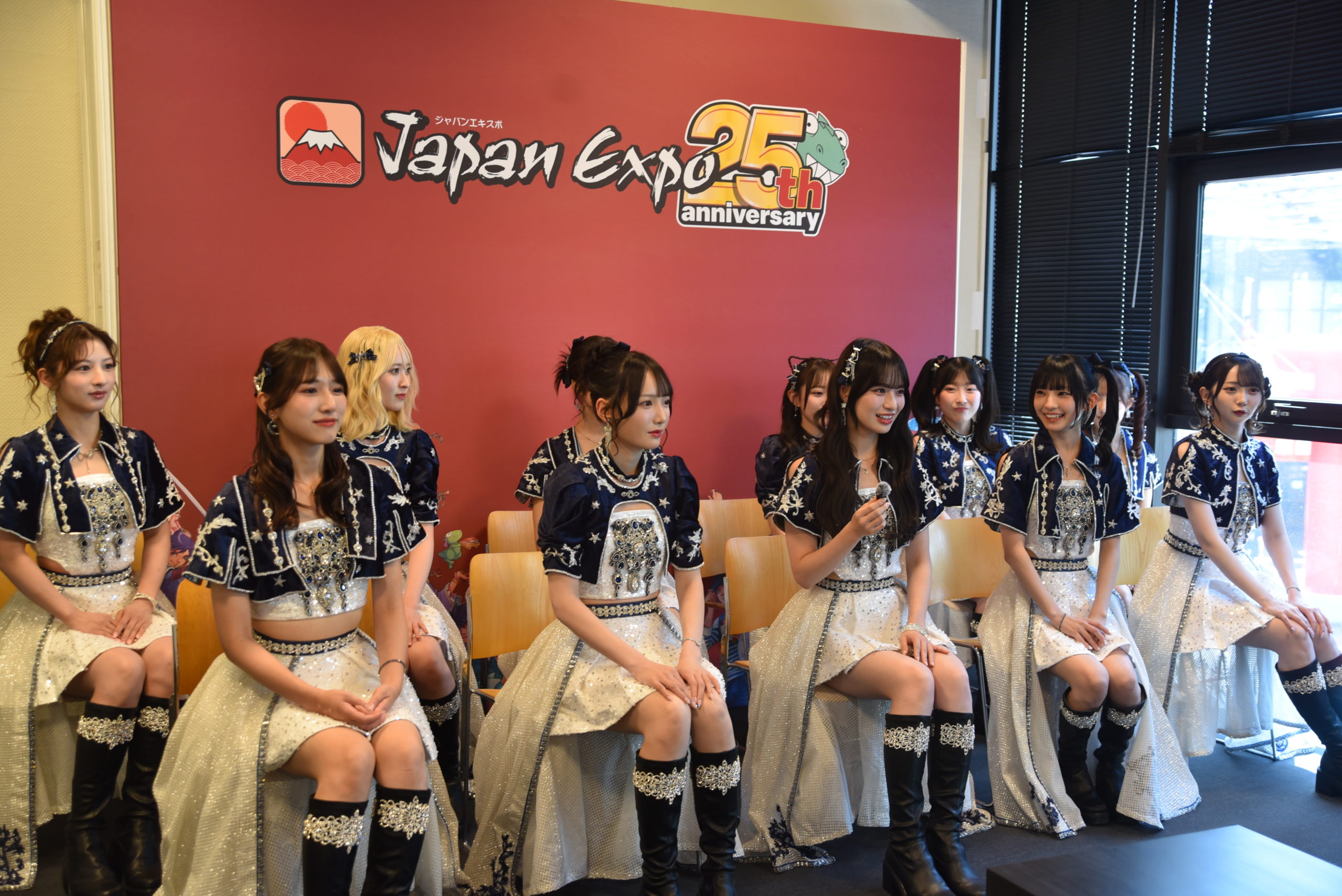
In 2026, ≠ME came to Paris to write a new chapter in their story. Invited to Japan Expo, the members met a French audience eager to discover their world. They spoke exclusively to us about their evolution and their career.
Hello. To begin this interview, could you introduce ≠Me (Not Equal Me) to our readers who may not know you yet?
Tomita Nanaka & Kanisawa Moeko : (In french) Hello everyone. We are ≠Me (Laughs) We are an idol group formed in 2019 by Rino Sashihara. So our group has been created seven years ago. We are very happy to be here to bring smiles and joy to everyone attending the event.
Speaking of your debut 7 years ago, how have you evolved since then, and in what way have you become different just like the concept behind your group name suggests?
Sakurai Momo : In our group, everyone has their own personality and unique strengths. We also all focus on singing and dancing, which are essential aspects of being an idol. Each member brings something different to the group. For example, I represent the japanese concept of « Kawai » (cuteness). This is my forte, and I want to keep showcasing it, including through social media.For others, their strength may be in radio, newspapers or other fields. As a group, we complement one another well.
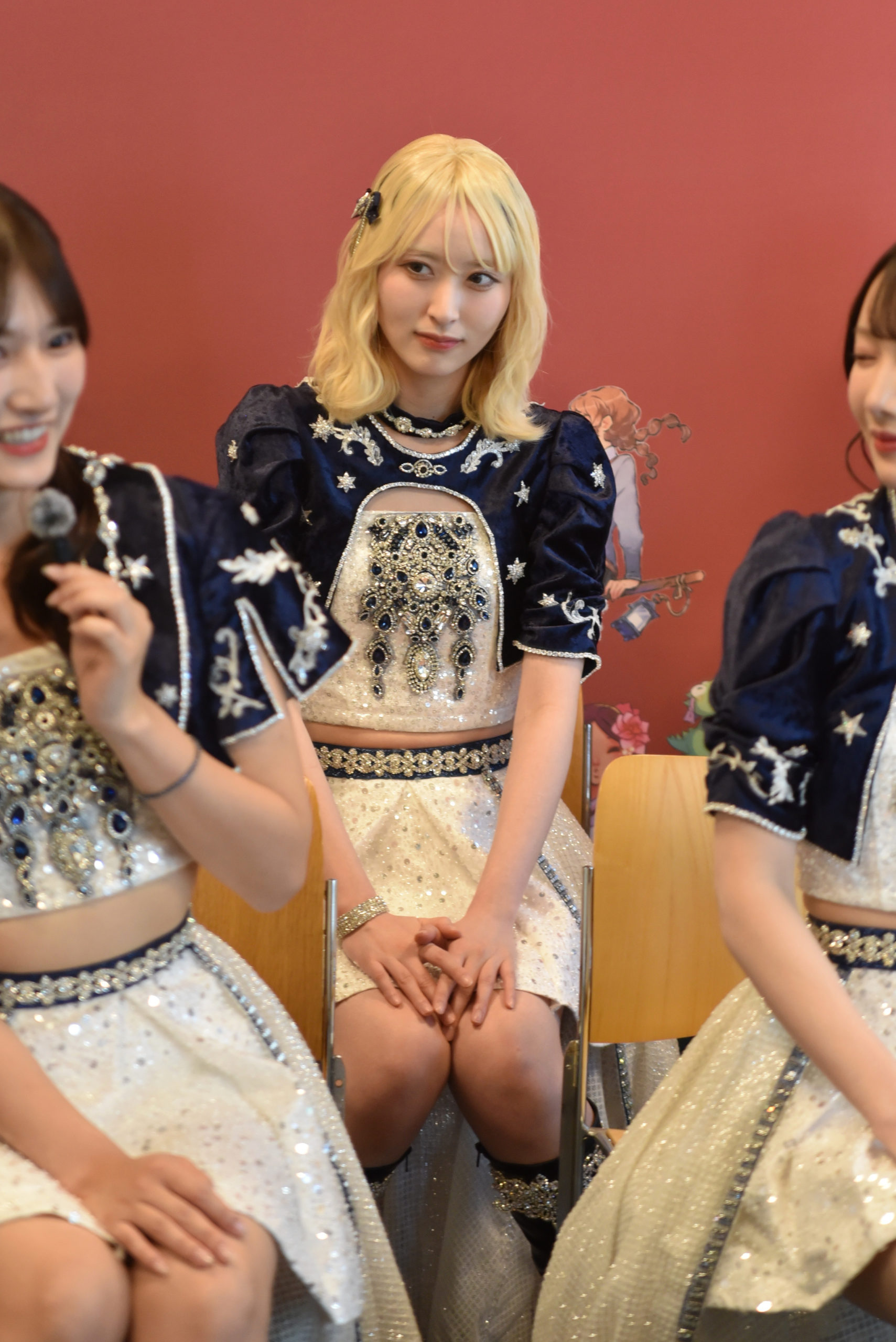
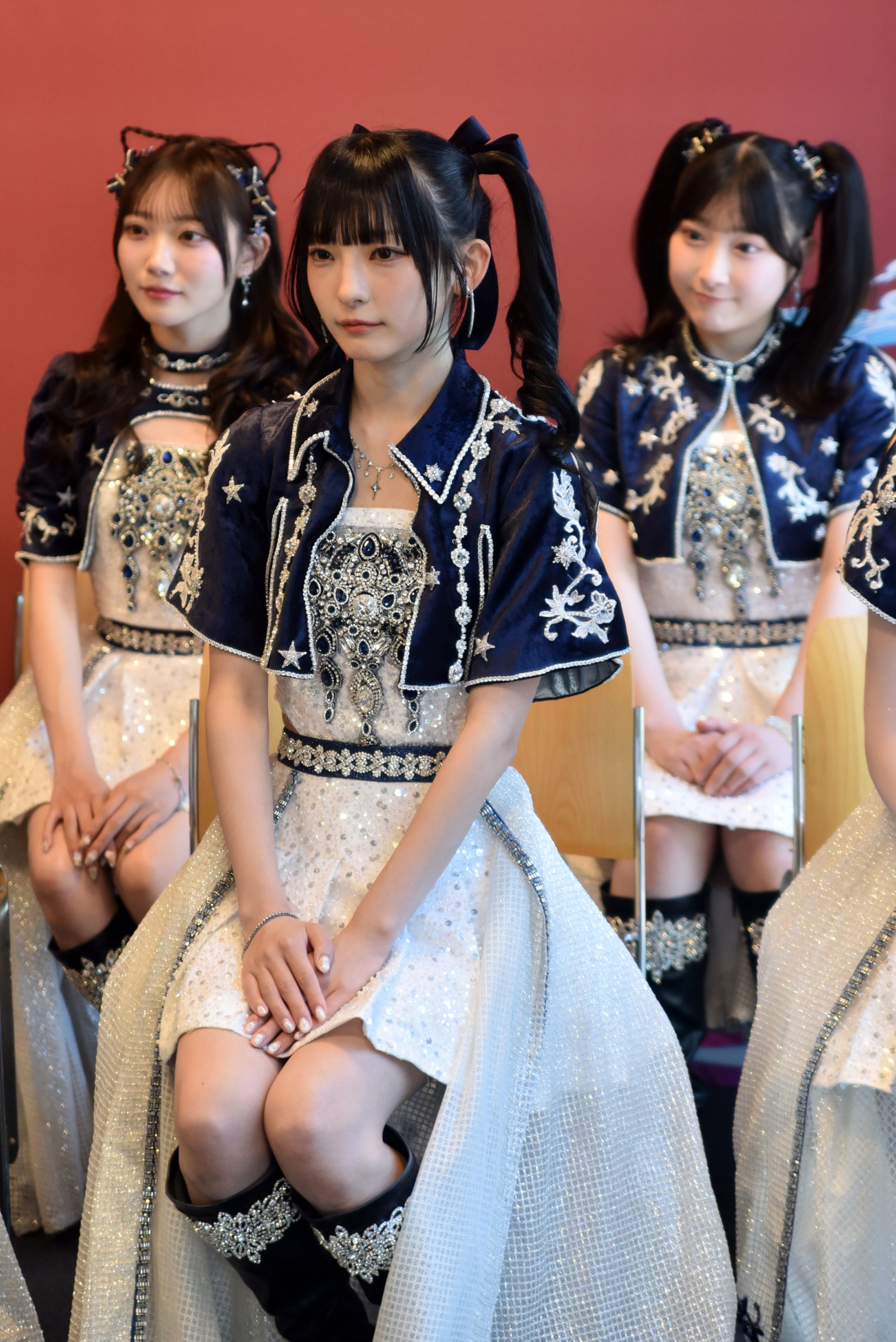
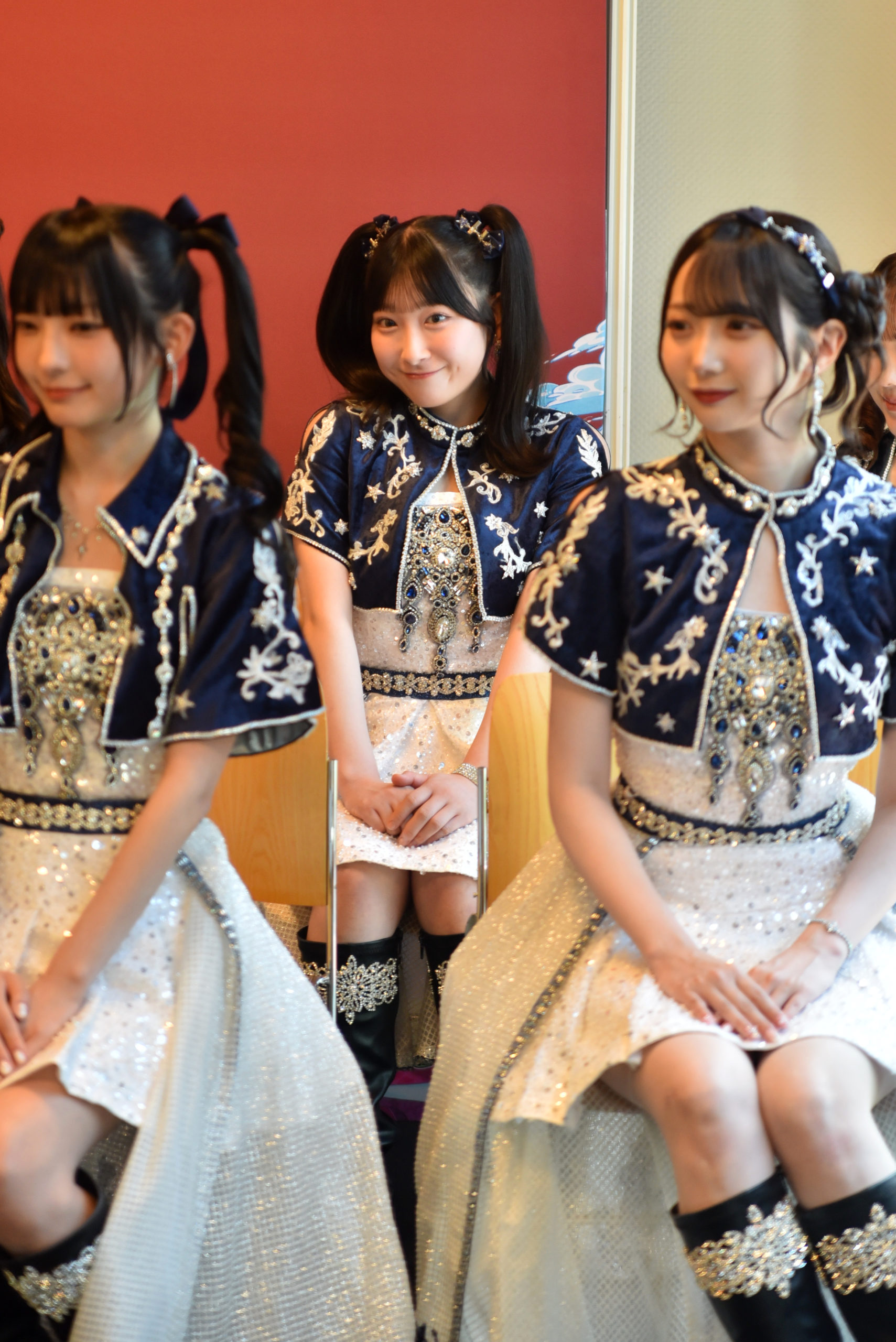
Sashihara Rino is an iconic figure in the idol world. What advice has she given you that still guides you today?
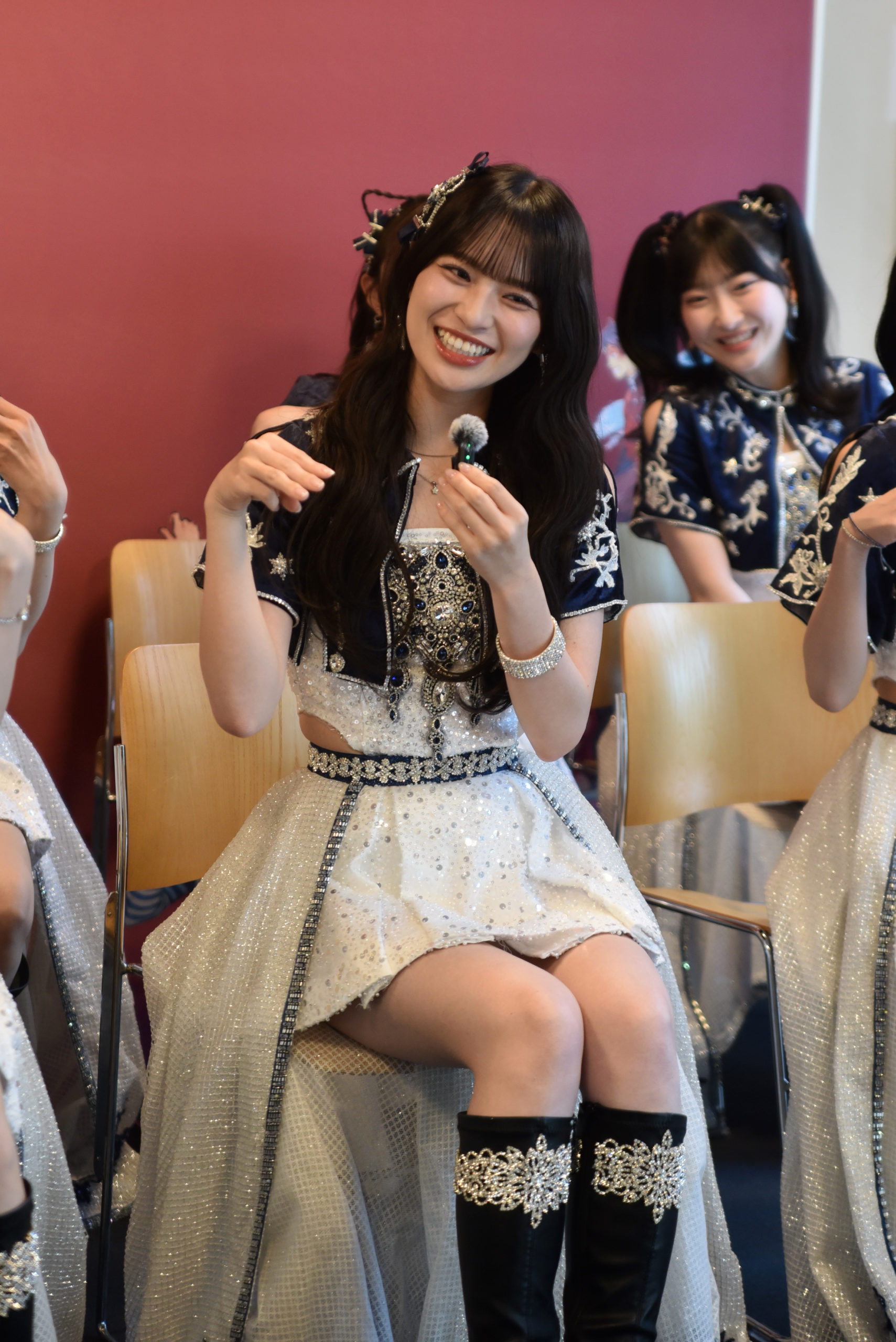
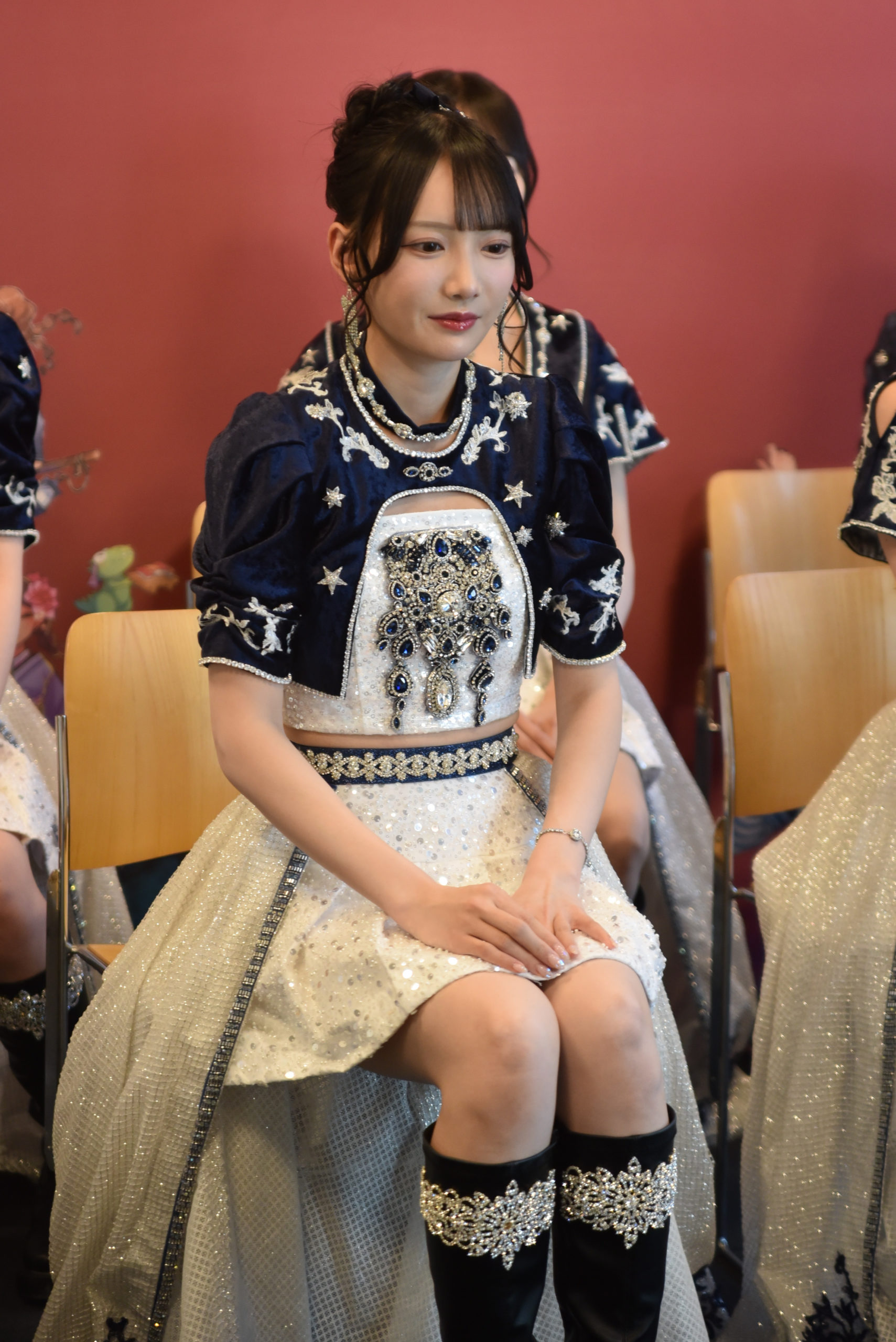
Tanizaki Saya: We’ve been working with her ever since we passed our auditions. The most important lesson I’ve learned from her is to always know how to say “thank you,” “I’m sorry,” and to remain grateful at all times. Beyond that, she has also taught me how to carry myself, and how to use my gaze during a concert depending on the atmosphere we want to create. To me, she’s like an older sister.
Your songs range from bright and uplifting to emotional and melancholic. Which song do you think best represents your group, and why?
All: We’re going to choose three!
Kawaguchi Natsune: For me, it would be “Last Chance, Last Dance.” It’s a song with a rather bright melody, while the lyrics can be both sad and gentle. It really represents our group, and we usually perform it toward the end of our concerts, at the most emotional moment, to create the best atmosphere possible.
Nagata Shiori: Another song we really love is “Ai Kudasai Mase.” It portrays the difficulties, fears, and somewhat secretive side of love. One of its defining features is its choreography, which I would describe as very artistic. At the end, there’s even a little challenge during the lyrics “Ai Kudasai Mase”: everyone pretends to switch off the lights.
Tomita Nanaka: A final song would be “Not Equal Me.” It’s the song we debuted with. What makes it so special is its gentle atmosphere. Since it shares the group’s name, fans often refer to it as our “anthem”. There’s also a moment in the song where the lyrics say, “I love you.” We all shout those words together with our fans, as a way of expressing our love for one another.
You’ve talked a lot about performing and being on stage. You’re especially known for your vocal abilities and choreographies. Is there anything you haven’t had the chance to show on stage yet that you’d like to share more with your audience?
Ochiai Kiara: So far, one of our group’s greatest strengths has indeed been combining singing and dancing. However, since each member has her own unique qualities and strengths, our goal is to showcase those individual characteristics even more and let them shine – for example, by highlighting them during our concerts.
You’re consistently ranked among the top artists on the Japanese music charts. What are your goals or dreams on the international stage?
Kawanago Natsumi: We’ve already had the opportunity to tour in Asia, but this is our first time performing in Europe. We received such a warm welcome, and seeing how enthusiastic the fans were allowed us to create wonderful memories. So one of our goals is to tour and perform more concerts overseas. We’d also like to incorporate foreign words from different countries into our songs, making them one of our strengths and a way of expressing our journey.
For those in France discovering you for the first time at Japan Expo 2026, what would you like them to remember most about your group?
Kanisawa Moeko: This is our first time at Japan Expo, and we’re so happy to be here. We’ve received such a warm welcome. We also hold many online events that bring together people from all over the world, and we’re very grateful for that. As idols, what we’d like most is to share the best aspects of Japanese culture with everyone.
Interview in collaboration with KAvenyou and Nautiljon.
Thanks to Japan Expo and ≠ME for this opportunity!
