Cliquez ici pour lire l’interview en version française !
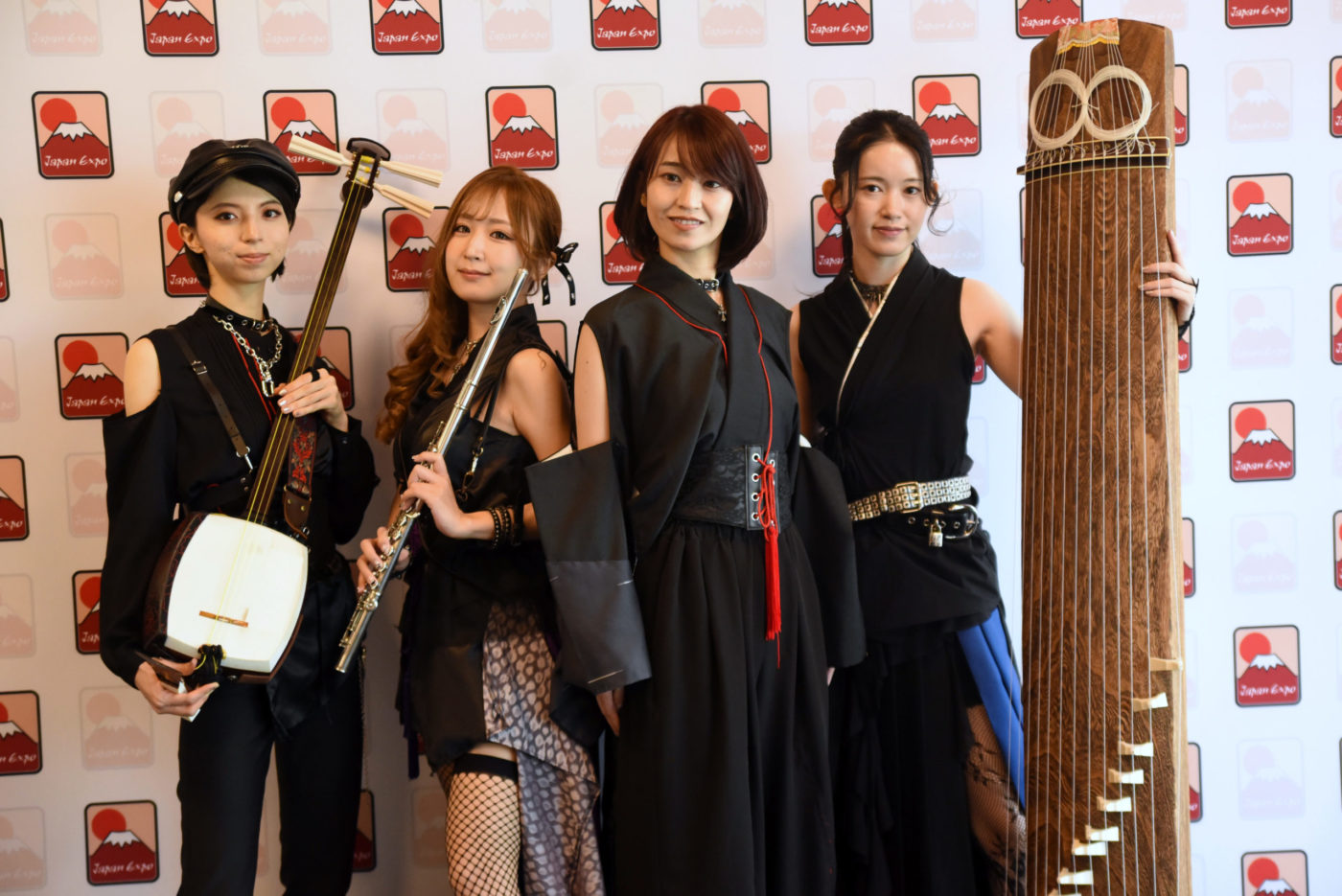
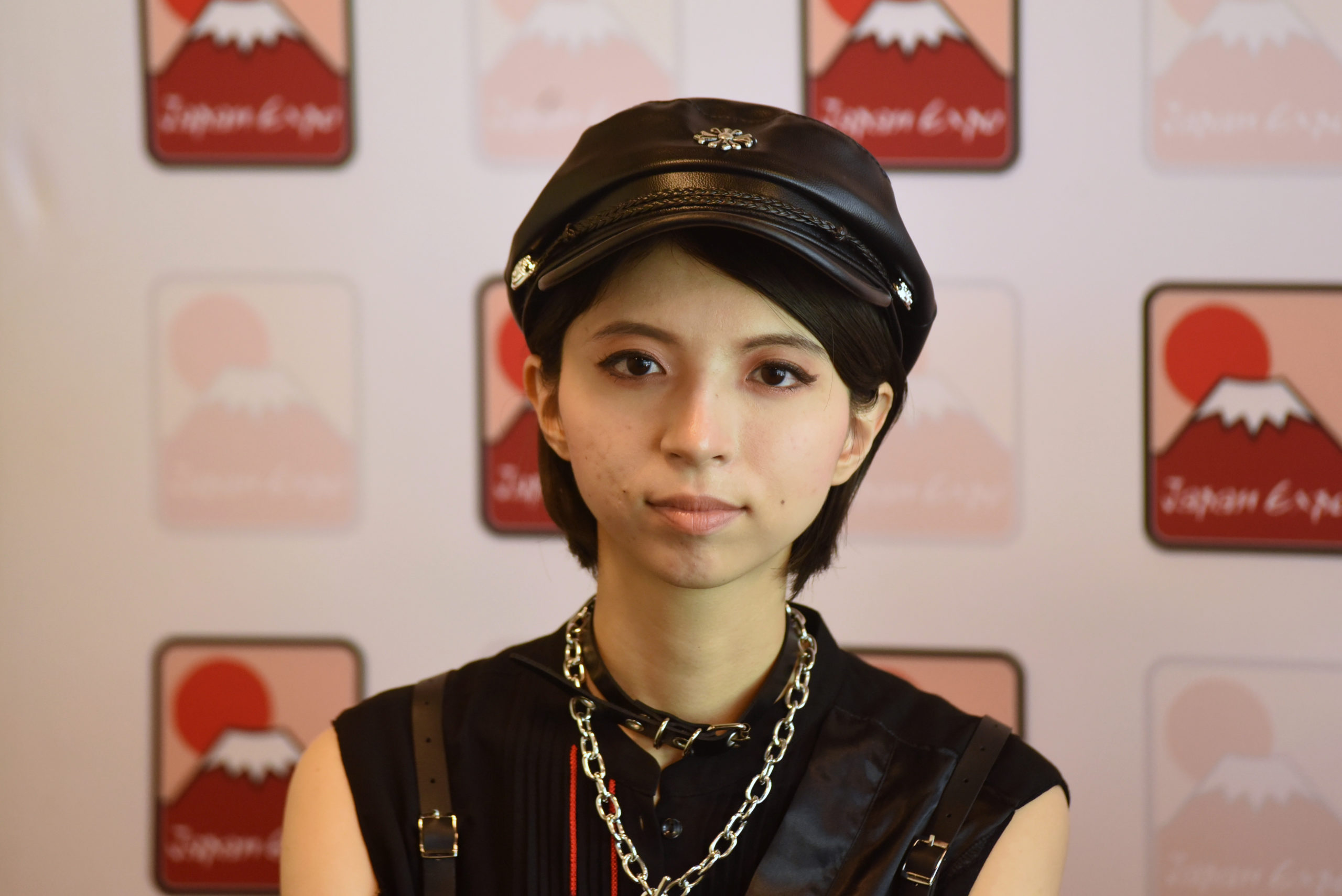
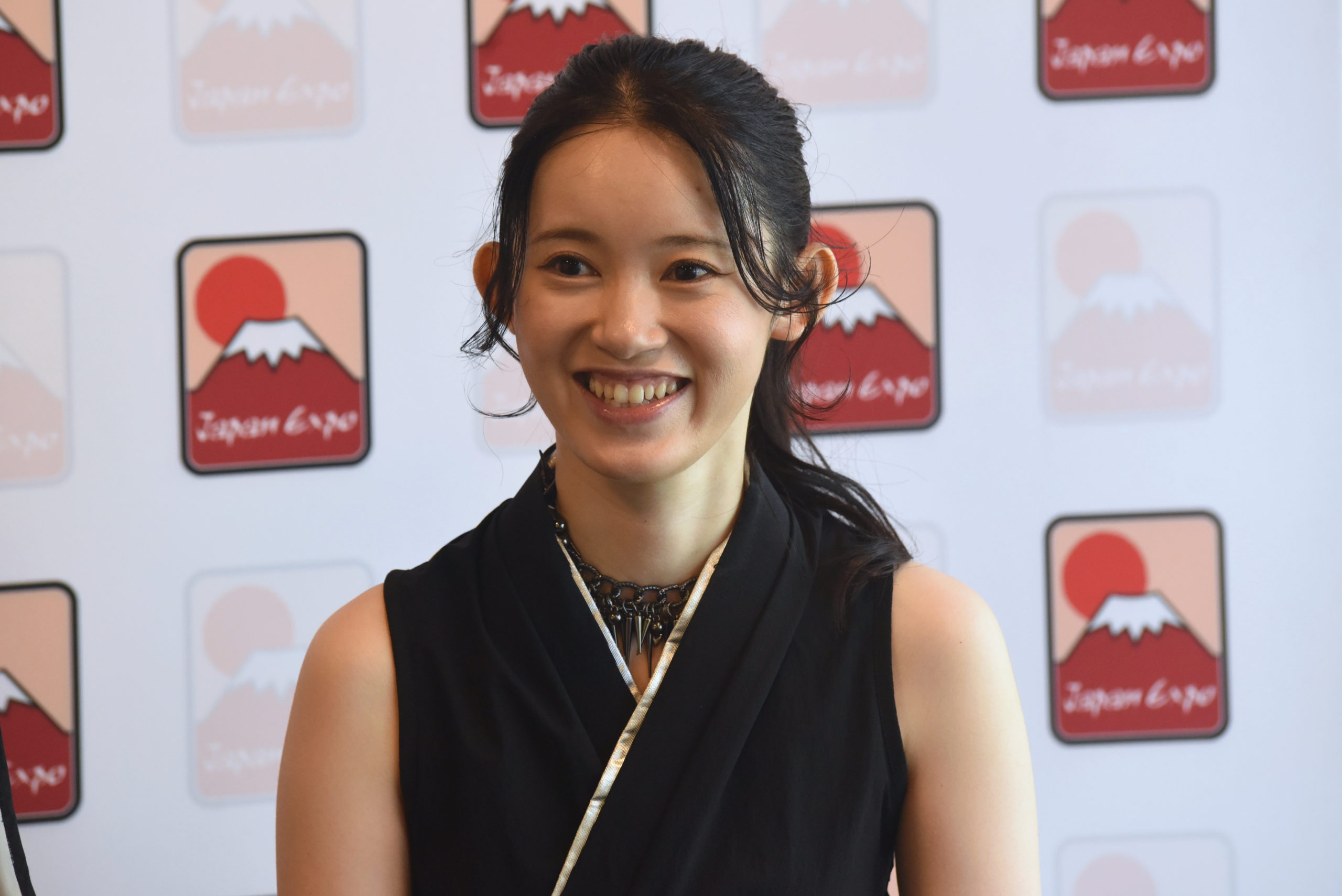
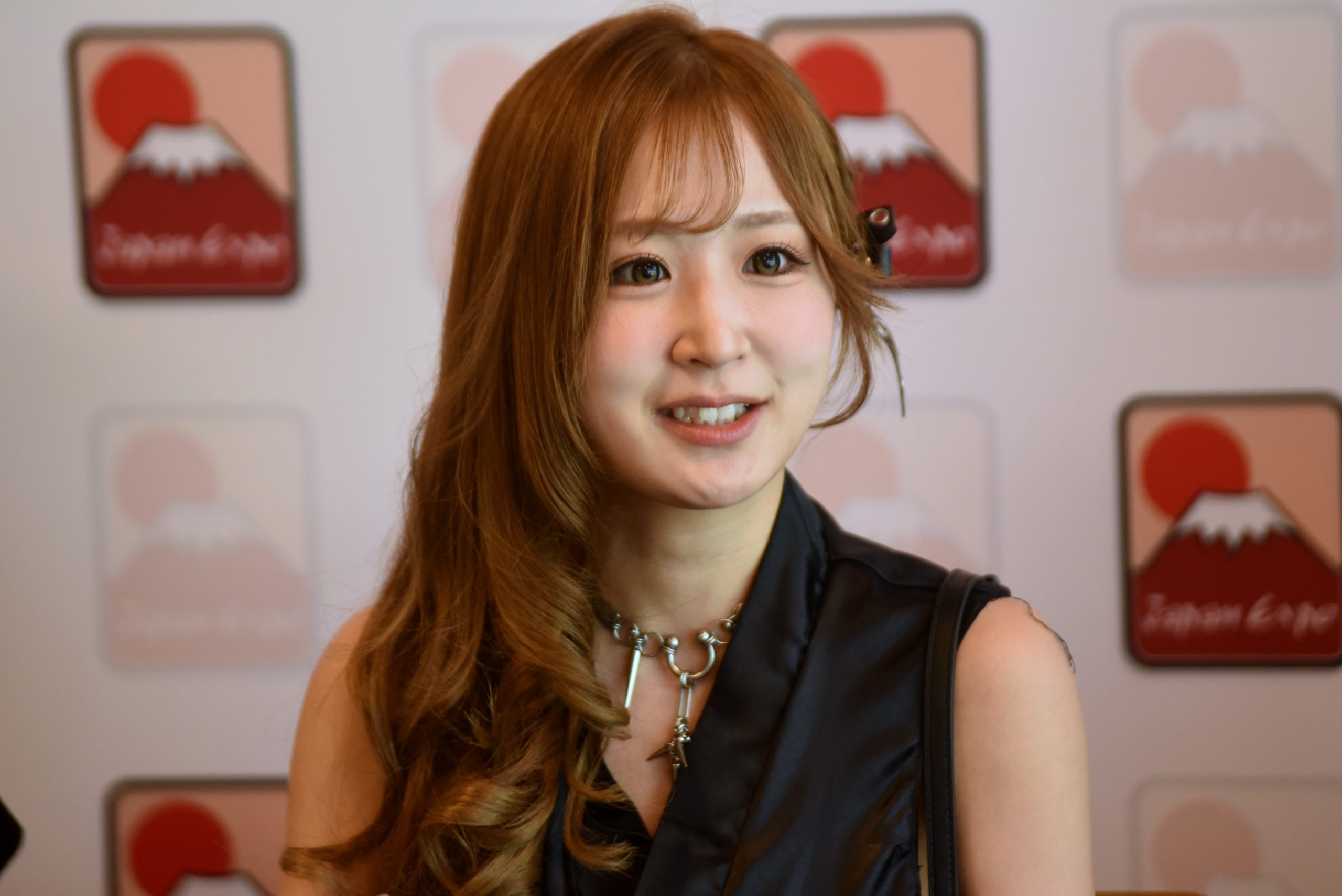
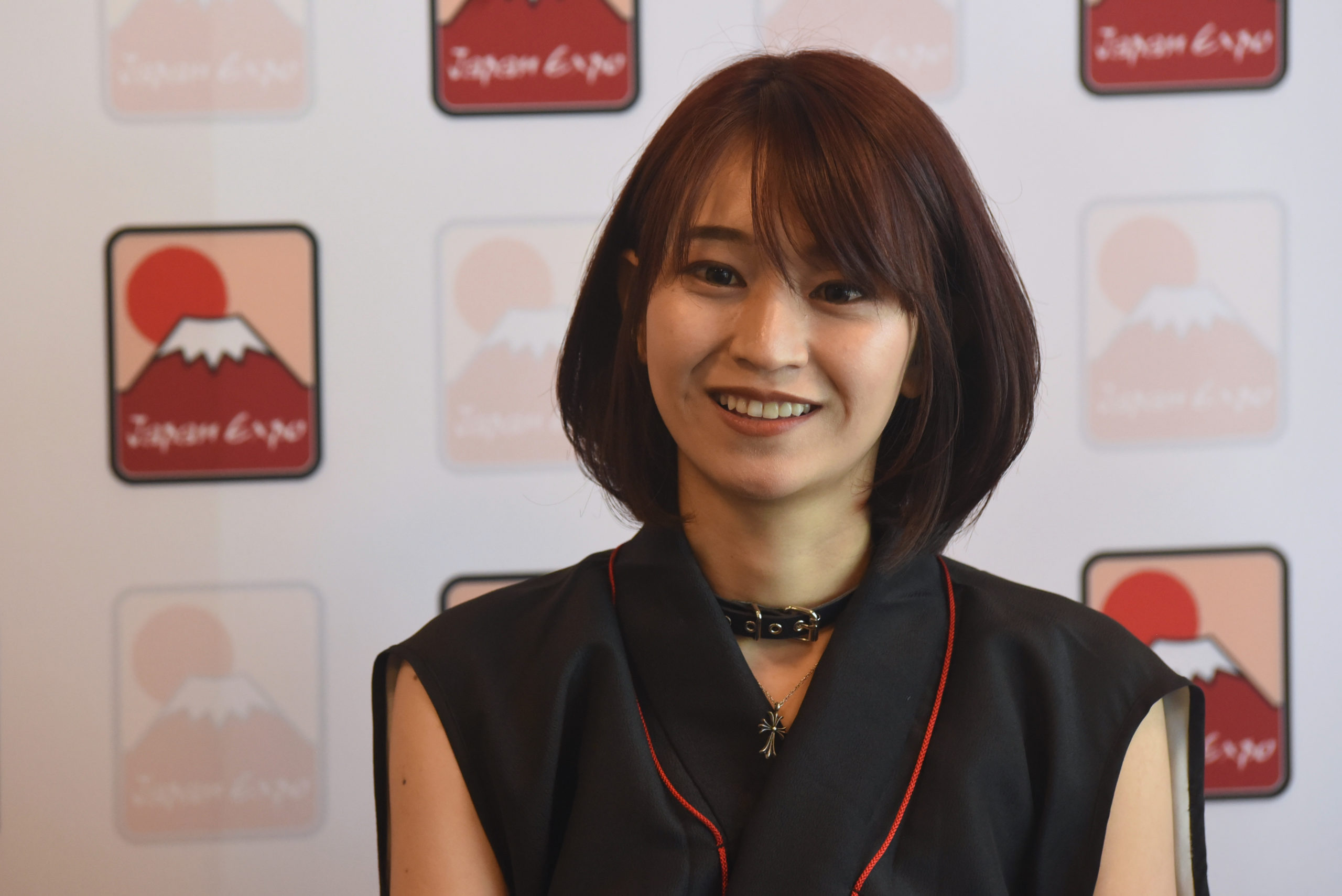
Met at Japan Expo, Kaguramusou is one of those bands that joyfully blurs the boundaries between musical worlds. As a four-member group, Chiaki Kondo, Nanami Akatsuki, Sakiko Endo and newcomer Arisa blend traditional Japanese instruments with the raw power of metal to create cathartic sounds. Accompanied by their producer, Kazuaki Matsuda, the four musicians turn their music into a true outlet, where darker emotions can be expressed, released and transformed. Bridging cultural heritage and rock energy, Kaguramusou also embodies a powerful image: four women taking ownership of their art and making their voices heard far beyond Japan.
Hello, could you introduce yourselves to our readers?
Chiaki Kondo: Hello, my name is Chiaki Kondo.
Arisa: Hello, I’m Arisa.
Nanami Akatsuki: Hello, my name is Nanami Akatsuki.
Sakiko Endo: Hello, I’m Sakiko Endo.
Could you tell us about the meaning behind your group’s name?
Nanami Akatsuki: So, the name “Kaguramusou” is a combination of the kanji for “kagura” and “musou.” Kagura is a traditional Japanese festival dedicated to the gods. “Musou” represents the uniqueness of something. So, the audience is considered to be like the gods, and we give them unique performances.
You have a truly unique musical identity. How did you come up with the idea of combining metal with traditional instruments?
Nanami Akatsuki (with support from producer Kazuaki Matsuda): First of all, using traditional Japanese instruments embodies a Japanese identity that we can share with our audience. Secondly, combining metal with traditional Japanese instruments, even though these two genres may seem radically different, also allows us to spread Japanese culture around the world, since metal is widely listened to.
Could you tell us about your songwriting and creative process?
Nanami Akatsuki (with support from producer Kazuaki Matsuda): We first think about creating the instrumental tracks using traditional instruments, and then we incorporate metal influences afterwards.
What kind of audience would you like to reach through your music?
Sakiko Endo: Everyone! [laughs] But obviously, traditional Japanese instruments aren’t necessarily very popular outside Japan. That’s why metal allows us to introduce them to international audiences.
Nanami Akatsuki: Metal also represents darker emotions. Together with the audience, we can bring those emotions to the surface.
What themes do you explore through your music?
All (with support from producer Kazuaki Matsuda): You have to understand that some young people are marginalized. We try to give them a voice. Through rock music, we can bring those feelings to the surface. But we can also purify them. In Japan, for example, when you visit a Shinto shrine, you try to purify yourself of negative emotions. We can achieve something similar through our traditional musical instruments.
Chiaki Kondo: Even though there is a certain serenity and calmness when playing traditional instruments, metal allows us to bring out more energy.
Have you considered using instruments other than the four you currently play?
Arisa: I also play the shinobue flute, which is an instrument at the crossroads between Western and Japanese sounds. So, I’m practicing the shinobue while preserving the instrument’s Japanese identity.
What kind of memory would you like to leave with the French audience at Japan Expo?
Arisa: We would like the audience to remember the musicality of our traditional instruments, but also to share in the “cool” side of metal. We want to have fun through our music. There may be difficult moments in life, but we hope that our music can help people forget about those hardships, even if only for a while.
Which song do you think best represents Kaguramusou?
Nanami Akatsuki: I would say “Catharsis,” because it represents expressing and releasing negative feelings. It perfectly matches our concept.
What are you expecting from your various performances at Japan Expo?
Nanami Akatsuki: Arisa is an influencer, and many fans came specifically to see her. As for us, we had already been to Japan Expo three years ago. For Arisa, this is her first time.
Arisa: I really like France because there is such a great atmosphere with the French audience.
After six years of your career this coming October, what dream would you like to achieve?
Nanami Akatsuki: Probably a European tour, and maybe some collaborations with European artists.
Kazuaki Matsuda: There are some in the works, but it’s a secret for now!
Do you have a message for your fans?
Chiaki Kondo: I’d like to be able to perform more often so that we can have fun together!
In collaboration with Nautiljon and KAVENYOU.
Special thanks to Japan Expo, Kaguramusou and their team for this interview.
