
Pour la version française, cliquez ici !
In the Japanese rock landscape, few bands have turned the absurd into a genuine artistic philosophy. Golden Bomber is arguably the most striking example. For over twenty years, the quartet has defied convention by proudly embracing its status as an “air band.” Instruments are mimed, performances blend rock concerts with comedy shows, and every appearance is an opportunity to push the boundaries of the ridiculous—all with a razor-sharp sense of timing and showmanship.
At the helm of this joyful dismantling of musical norms is Shō Kiryūin—singer, songwriter, and ringmaster of a universe where self-deprecating humor meets boundless creativity. Yet, behind the gags, outlandish stunts, and legendary promotional antics lies an artist who has never stopped thinking about how to surprise his audience.
A guest at Japan Expo 2026—fifteen years after Golden Bomber’s memorable visit to France—Shō Kiryūin returns to meet a French audience he remembers with great fondness. Blending humor, sincerity, and reflections on a career built by going against the grain of the music industry, he joins us for an exclusive look back at the incredible Golden Bomber journey.

Hello, could you introduce yourself to our readers who might not know you yet?
Hello, my name is Shō Kiryūin. I am the vocalist of Golden Bomber, a Japanese band that doesn’t actually play its instruments.
How did you come up with the idea of creating a band with such a unique concept?
We started Golden Bomber as a group of friends. But we had absolutely no musical talent! We tried playing real instruments at first, but we were so uncomfortable doing it that we eventually gave up. So, we asked musicians to play for us, and we use their recordings to perform.
Has such a concept opened doors for you, or closed them?
I’d say it closed doors for us. Since we don’t really play our instruments, we never get mentioned in music magazines, for instance. We’re somewhat isolated from the rest of the music world. On the other hand, thanks to our concept, we don’t have major equipment needs. (Laughs.) For example, one of our members once forgot his bass. So, he simply borrowed the guitar from a musician working in the same studio as us.
Can the “air band” concept evolve overtime?
“Air band” is great—for starters, because it costs less money! (Laughs.) And you can really take the time to practice things other than the music itself. At first, we thought the “air band” concept would become a trend, but we quickly realized that no one else jumped on the bandwagon. I think musicians might find it a bit embarrassing or shameful not to actually play instruments. We’re seen as a bit eccentric. In my opinion, the concept of an “air band” hasn’t really evolved or regressed over the course of our career. It’s an activity anyone can pick up tomorrow, so I recommend it to everyone.
After more than twenty years, what is your secret to continue championning “air band” music?
The thing I’m most careful with is my iPod Nano—it’s a fifth-generation model. It’s the only device where I keep our recordings, so I can’t afford to lose it or run out of battery!
In 2017, you performed an 8-second concert to promote the single Deatte 8-byo, which really got people talking on social media. Do you have any other crazy ideas like that?
I’m always trying to come up with unconventional promotional ideas. I really enjoy surprising people—just like we did with that 8-second concert. Today’s generation is more digitally focused, and CD sales have dropped compared to the past. I actually once suggested to our agency that we sell CDs consisting of just the case, without the actual disc inside. Unfortunately, they turned the idea down. (Laughs.)
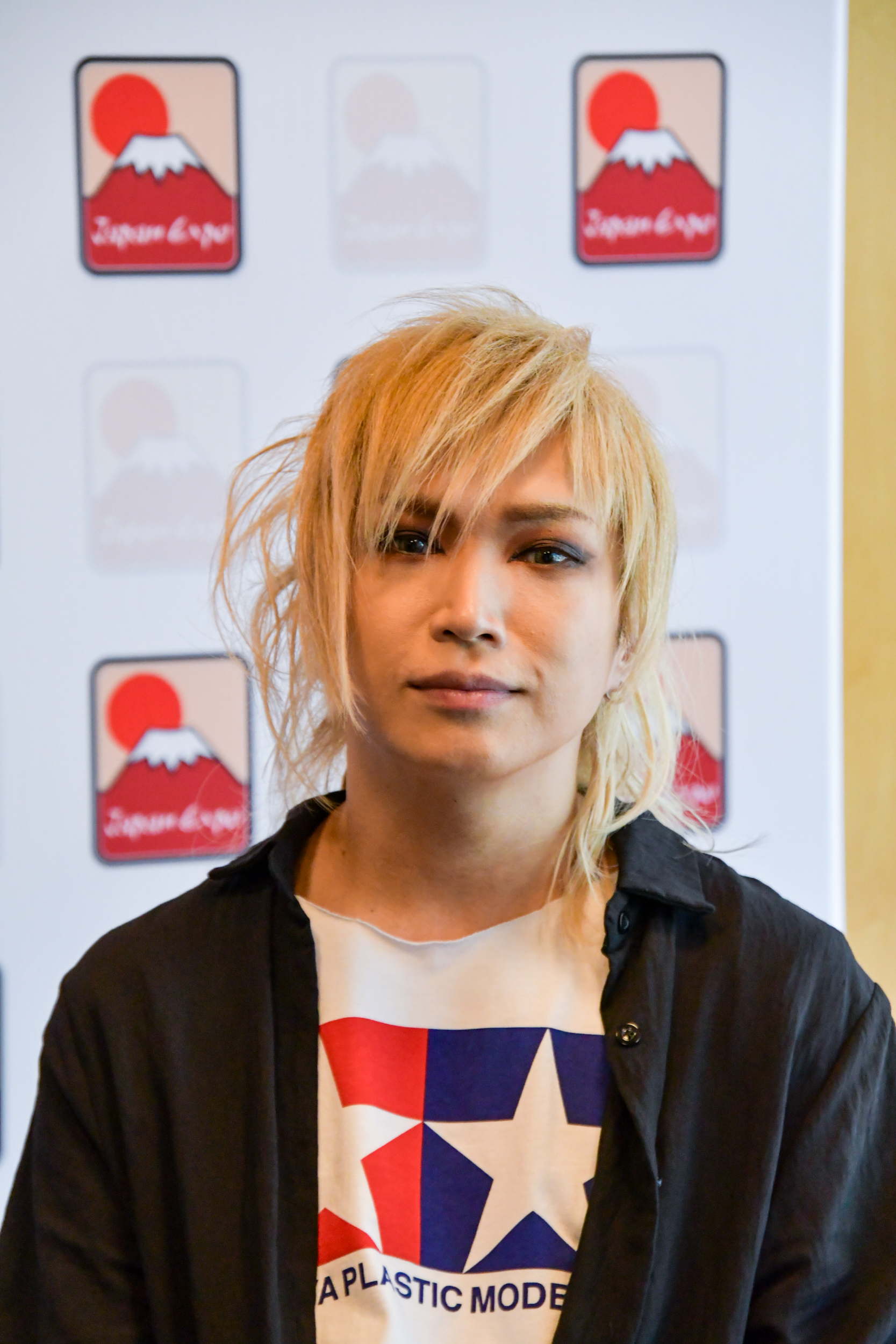
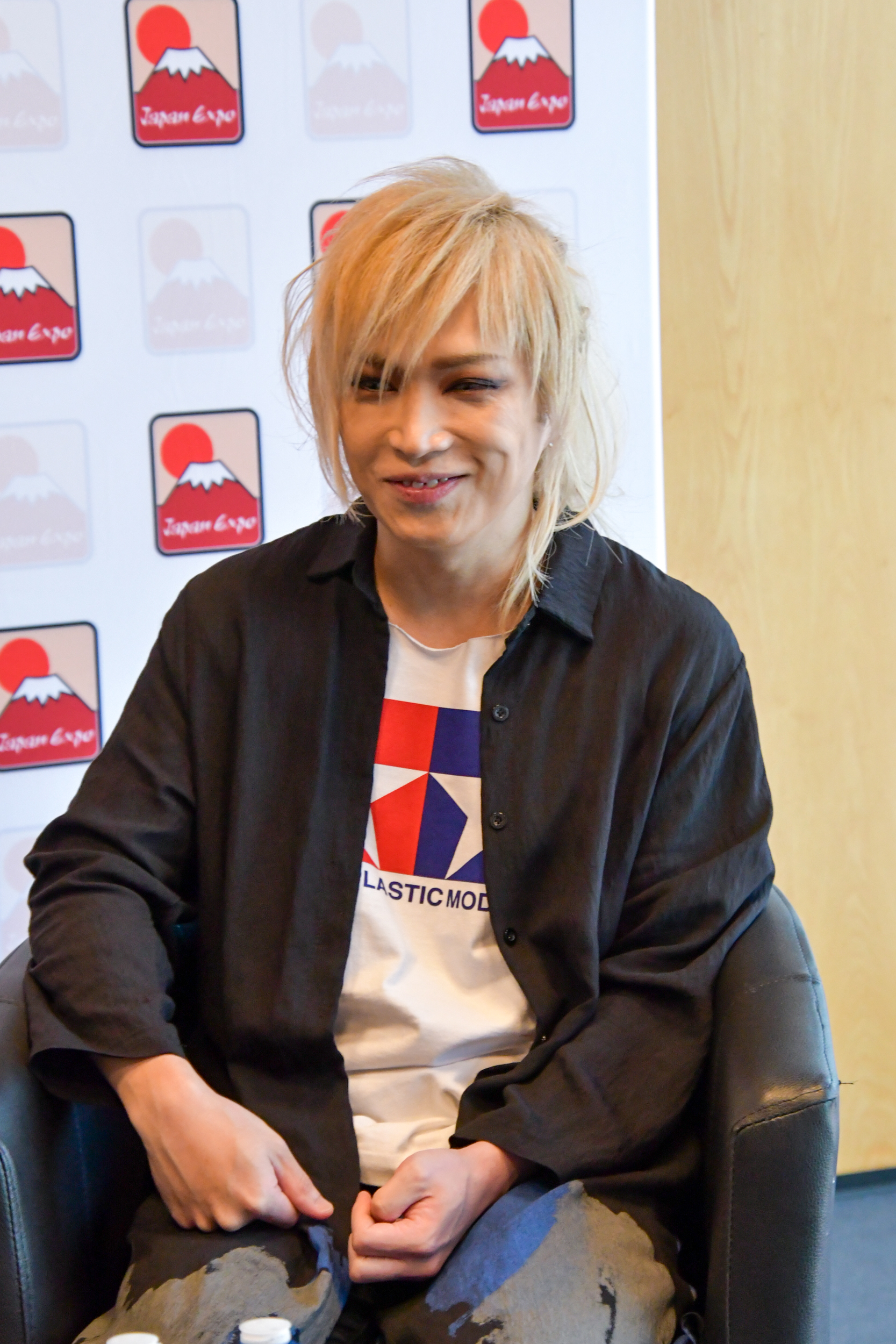
You previously came to Japan Expo with Golden Bomber in 2011, what memories do you keep from it?
I was delighted to discover the French audience, because they are much more energetic than in Japan. I could really feel their enthusiasm and energy. Even people who listened to Japanese music but didn’t know Golden Bomber were jumping around and really getting into the spirit of the show—something I’ve never seen in Japan. I was both happy and surprised; I hadn’t imagined the French crowd would be so fired up.
For this edition of Japan Expo, you’ve come without the other members of Golden Bomber. How did the preparations go this time around?
Things went well when I came with the band fifteen years ago, but I think a full Golden Bomber concert was a bit too complex to bring over to France. This year, I’m on my own, and the show will be more streamlined compared to last time. I’ll be able to convey Golden Bomber’s energy to the French audience while making the performance more accessible to people who aren’t familiar with the band at all.
To wrap up this interview, is there anything you’d like to say to your French fans?
First of all, I want to apologize to them for taking so long to return to France. It’s been fifteen years already! This trip back to France has been wonderful, and I’m really enjoying Japan Expo and seeing the French fans again. I promise I’ll be back very soon!
A big thank you to Shō Kiryūin and the Japan Expo teams for this interview!
Interview carried out in collaboration with KAvenyou and Nautiljon.
